Every year, millions of people across India and around the world come together with deep devotion to celebrate Guru Nanak Jayanti, also fondly known as Gurpurab or Prakash Utsav. Gurudwaras glow with colorful lights, soulful hymns echo in the morning air, and communities unite to serve free meals to everyone.
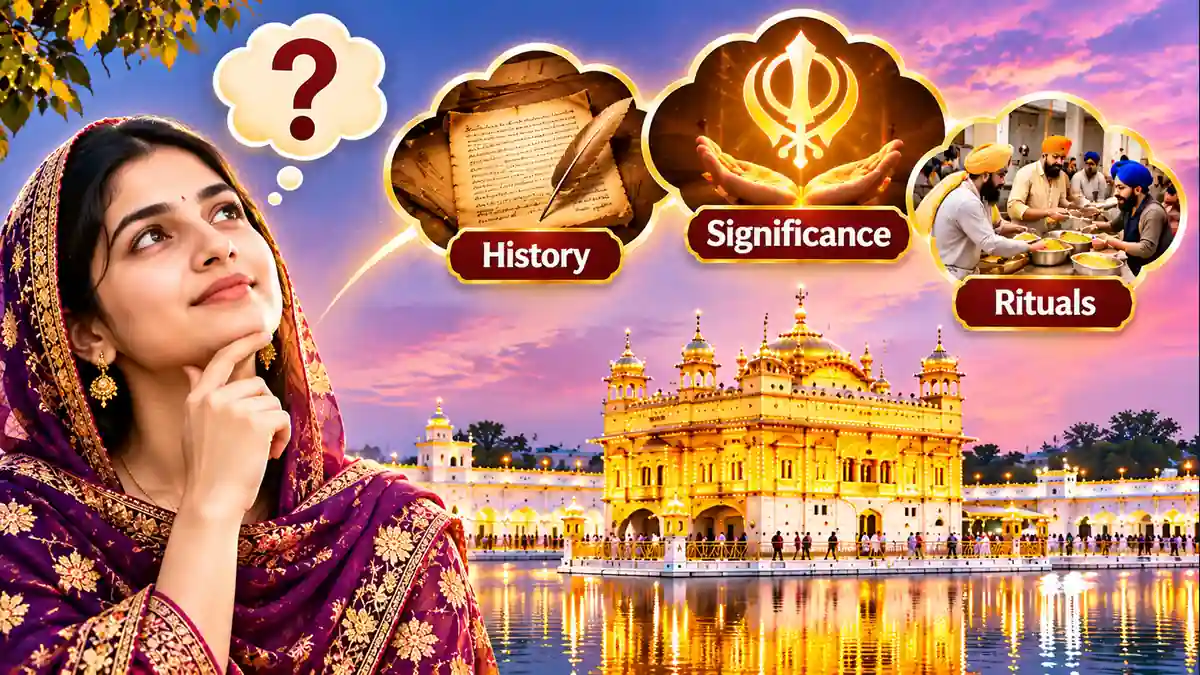
If you have ever wondered why do we celebrate Guru Nanak Jayanti and what makes this day so special, this complete guide explains its history, spiritual significance, and vibrant rituals in simple words.
Why Do We Celebrate Guru Nanak Jayanti?
Guru Nanak Jayanti is celebrated to mark the birth anniversary of Sri Guru Nanak Dev Ji, the founder of Sikhism and the first of the ten Sikh Gurus. However, this festival goes far beyond a simple birthday—it celebrates the arrival of a spiritual reformer who changed society forever.
Here are the main reasons why we celebrate Guru Nanak Jayanti:
- To Spread the Message of Oneness (Ik Onkar): At a time when society was deeply divided by religion and caste, Guru Nanak Dev Ji taught that there is only One God and all human beings are equal.
- To Honor His Fight Against Social Injustice: He stood strongly against blind superstitions, caste discrimination, and inequality, inspiring people to treat everyone—rich or poor, men or women—with equal dignity.
- To Remember His Three Golden Rules: Devotees celebrate this day to renew their commitment to his three core principles: Naam Japna (meditating on God), Kirat Karni (earning an honest living), and Vand Chakna (sharing with the needy).
- To Practice Selfless Service (Seva): Gurpurab reminds us to serve humanity with humility, which is why millions of people cook and serve free meals (Langar) to everyone on this day.
Brief History of Guru Nanak Dev Ji
To truly understand why Guru Nanak Jayanti is celebrated, it helps to look back at the inspiring life of Guru Nanak Dev Ji.
- Birth & Early Life: Guru Nanak Dev Ji was born on April 15, 1469, in a village called Rai Bhoi Ki Talwandi (now known as Nankana Sahib in Pakistan). His father, Mehta Kalu, was a village accountant, and his mother, Mata Tripta, was a deeply pious and gentle woman. Even as a child, he was deeply spiritual, compassionate toward the poor, and questioned unfair social customs.
- Spiritual Awakening: At the age of 30, after meditating in the Kali Bein river at Sultanpur Lodhi, he emerged with a divine revelation: “There is no Hindu, there is no Muslim”—meaning all human beings are equal children of the One Supreme Creator (Ik Onkar).
- Four Great Journeys (Udasis): Accompanied by his loyal companion Bhai Mardana, Guru Nanak Dev Ji traveled thousands of miles across India, Tibet, Sri Lanka, and the Middle East. Through soulful hymns (Shabads), he spread the message of unity, rejected blind rituals, and inspired people to live an honest and humble life.
Want to explore his core life philosophy in detail? Read our complete guide on the [Teachings of Guru Nanak Dev Ji: 3 Pillars, 10 Lessons & Quotes]
Spiritual & Social Significance of Gurpurab
Guru Nanak Jayanti holds deep spiritual and cultural importance not just for Sikhs, but for people of all faiths across the world:
- Festival of Light Over Ignorance: Known as Prakash Utsav (Festival of Light), the day symbolizes how Guru Nanak Dev Ji’s wisdom removed the darkness of superstition, ego, and hatred from human minds.
- Unity Beyond Borders and Beliefs: Gurpurab brings people from every background together under one roof, showing that humanity and kindness are above all religious boundaries.
- Living Example of Humility: From community kitchens (Langar) to polishing devotees’ shoes (Joda Ghar Seva), the festival teaches people to let go of pride and serve others with pure love.
How Is Guru Nanak Jayanti Celebrated? (Main Rituals)
The celebrations of Guru Nanak Jayanti usually span across three days and are filled with devotion, music, and community spirit. Here are the key rituals:
1. Prabhat Pheri (Early Morning Processions)
Celebrations begin days before the actual festival with Prabhat Pheris. Early in the morning, devotees gather at the local Gurudwara and walk through nearby neighborhoods singing sacred hymns (Shabads), spreading peace and announcing the arrival of Gurpurab.
2. Akhand Path (48-Hour Continuous Reading)
Two days before Guru Nanak Jayanti, a non-stop, 48-hour reading of the Sikh holy scripture, the Sri Guru Granth Sahib, begins in Gurudwaras. This continuous recitation is called Akhand Path and concludes on the morning of the festival.
3. Nagar Kirtan (Grand Street Procession)
A day before Gurpurab, a vibrant procession known as Nagar Kirtan is organized in towns and cities. The Sri Guru Granth Sahib is placed on a beautifully decorated palanquin (Palki), led by the Panj Pyare (Five Beloved Ones) carrying the Sikh triangular flag (Nishan Sahib). Singers, bands, and martial artists (Gatka performers) participate with great enthusiasm.
4. Kirtan and Katha on Gurpurab Day
On the main day of Guru Nanak Jayanti, devotees wake up early during Amrit Vela (early morning hours) and visit Gurudwaras. They listen to Asa Di Var (morning hymns), soulful Kirtan (devotional singing), and Katha (spiritual discourses) narrating stories from Guru Nanak Dev Ji’s life.
5. Langar (Free Community Kitchen)
One of the most heartwarming traditions of Gurpurab is the Langar. Volunteers prepare and serve free, simple vegetarian meals to everyone—regardless of religion, caste, or social status. People sit together on the floor in rows (Pangat) and eat together, reflecting Guru Nanak Dev Ji’s vision of equality. Sweet Kada Prasad is also distributed to all visitors.
6. Lighting of Gurudwaras and Homes
In the evening, Gurudwaras are illuminated with thousands of lights, lamps, and candles. Many families also light diyas and candles at their homes to celebrate the birth of light and wisdom.
Frequently Asked Questions (FAQs)
Q1. Why do we celebrate Guru Nanak Jayanti?
We celebrate Guru Nanak Jayanti to honor the birth of Sri Guru Nanak Dev Ji, the founder of Sikhism, and to remember his timeless message of peace, equality, honesty, and selfless service to humanity.
Q2. When was Guru Nanak Dev Ji born?
Guru Nanak Dev Ji was born on April 15, 1469, at Talwandi (now Nankana Sahib, Pakistan). According to the lunar calendar, his birth anniversary is celebrated every year on the full moon day of Kartik (Kartik Purnima), which usually falls in November.
Q3. Is Guru Nanak Jayanti a national holiday in India?
Yes, Guru Nanak Jayanti is a gazetted (public) holiday across India. Government offices, banks, schools, and colleges remain closed in most states on this day.
Q4. What is the difference between Gurpurab and Guru Nanak Jayanti?
Both refer to the same celebration. Gurpurab is a Punjabi term meaning “festival of the Guru,” and Guru Nanak Jayanti is the most prominent Gurpurab celebrating the birth of the first Sikh Guru.
Confused why his birthday is celebrated in November on Kartik Purnima even though he was born in April? Discover the fascinating calendar reason in our guide on [Why Is Guru Nanak Jayanti Celebrated in November, Not April?]